


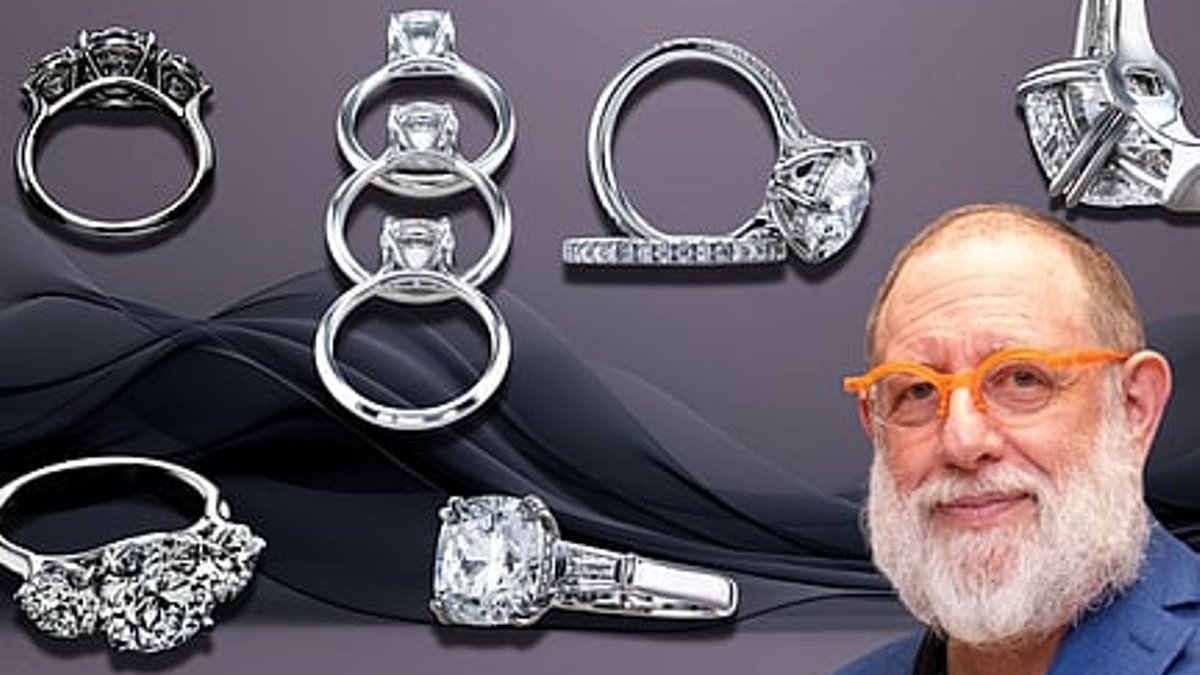
Diamond retail in the United States is undergoing a significant transformation driven by shifting consumer preferences and market volatility.
The company’s leadership noted that the focus has shifted from high volume to value, largely a reaction to the rapid rise of laboratory‑grown stones, which have captured the market for smaller, lower‑priced items while natural diamonds remain dominant in premium categories.
Natural vs. Laboratory‑Grown Diamonds
The impact of laboratory‑grown diamonds is most visible in the 1.5‑carat‑and‑below segment, particularly in G‑color grades and lower. Younger buyers are increasingly selecting these synthetic stones because they offer larger sizes at significantly lower price points. While the price of them has declined sharply, creating challenges for retailers who held inventory early on, the market for natural stones remains resilient.
Related: Who Actually Owns Billion-Year-Old Diamonds
High‑quality natural diamonds, especially in larger sizes and premium cuts, continue to hold their value. Some retailers have integrated laboratory‑grown inventory into their offerings, while others maintain a strict focus on natural stones. When laboratory‑grown diamonds are offered, the same strict cut and quality standards applied to natural diamonds are used, emphasizing precision over quantity.
Natural stones still dominate the high end.
Buying behavior has shifted noticeably. Consumers today are less emotionally attached to the origin of the stone, prioritizing visual appeal and price. As a result, much of the laboratory‑grown business operates on memorandum arrangements with fast inventory turnover, whereas the natural market relies on exclusivity and craftsmanship to drive sales.
Related: Behind the Seams: The Making of a Custom Wedding Gown
Customer buying patterns have changed substantially over the past few years. Volumes are lower, and decision‑making processes take longer. Where a business might once have sold 100 engagement rings monthly at an average ticket size of $10,000, sales figures have adjusted to reflect the current mix of natural and laboratory‑grown inventory. This decline in volume is not solely attributed to the rise of synthetic diamonds.
Global economic factors, including geopolitical instability, wars in Ukraine and the Middle East, and economic slowdowns in China, have also dampened consumer confidence. The jewelry industry worldwide is in a period of adjustment, with customers demanding greater transparency and value. To adapt, retailers are becoming more education‑driven, focusing on long‑term value rather than purely transactional sales.
Our company has built its reputation around Hearts & Arrows diamonds and precision cutting, and is recognized as an industry leader. While the industry faces headwinds, the demand for exceptional quality remains a constant.


