


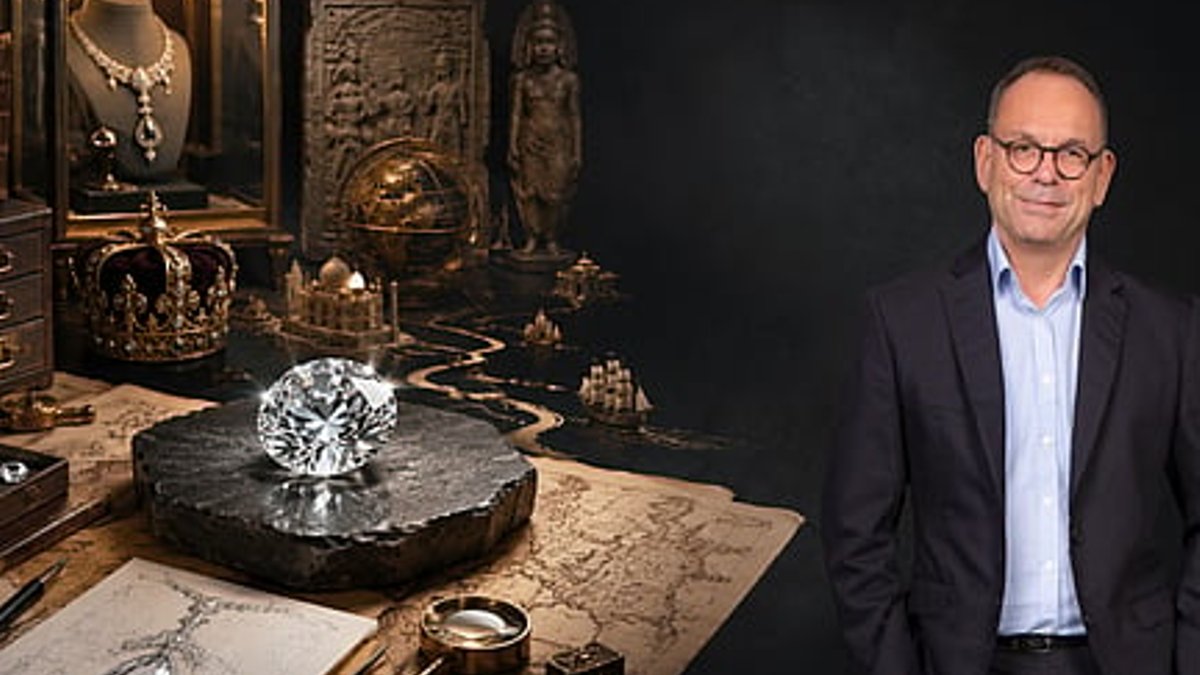
Luxury brands invest heavily in heritage because it reinforces identity, supports pricing power, strengthens consumer attachment, and helps maintain long-term desirability. Think of Cartier, Tiffany & Co., Van Cleef & Arpels, Boucheron, and other leading maisons, and you will find them maintaining archives, having heritage departments, organizing exhibitions, having publications and dedicated teams responsible for preserving and transmitting their history. The Cartier red box is perhaps the most visible example. It has little functional value, yet enormous symbolic significance, because it represents more than a century of storytelling, craftsmanship, cultural associations, and institutional memory. The mythology surrounding the brand has become an asset in its own right.
Related: UK FTA fuels value-added jewellery export surge
The natural diamond industry possesses an extraordinary heritage of its own. Few products can claim a history spanning thousands of years, crossing civilizations, royal courts, religions, trade routes and cultural traditions. Yet, unlike the major luxury houses, the industry has never created a dedicated institution responsible for identifying, documenting, and preserving that shared heritage. This absence is becoming increasingly visible. Consumers can readily associate Cartier with Jeanne Toussaint, the Trinity ring, Tutti Frutti, the Mystery Clock, or the Love Bracelet. These stories are actively preserved and communicated through generations of employees, clients, and collectors. By contrast, many professionals working within the diamond trade would struggle to name more than a handful of historically important diamonds. Some of the world’s most significant gems remain largely disconnected from the people responsible for selling and promoting natural diamonds today.
This is not a marketing challenge. It is a heritage challenge. The natural diamond industry already has a marketing and communications organization in the Natural Diamond Council (NDC). Its role is to promote the category, and communicate the value proposition of natural diamonds to consumers. The World Diamond Heritage Board was established to address a different need: the preservation, documentation, and transmission of diamond heritage. These functions are complementary, rather than competing. Most successful luxury houses invest in both marketing and heritage because they serve different purposes. Marketing drives awareness and demand in the present. Heritage preserves relevance across generations.
Related: Diamond Retail in US Faces Shifts and Reinvention
The first step in this process is the creation of the World Diamond Heritage List, an initiative designed to identify and document the 100 most important diamonds in history. Before heritage can be transmitted, it must be recorded. Before stories can be shared, they must be preserved. The objective is not simply to celebrate famous stones. It is to begin building a shared cultural framework for the natural diamond category — one that can support education, storytelling, exhibitions, research, and future industry initiatives. The question is not whether the industry needs marketing, or heritage. It needs both. The NDC was created in 2015 through the Diamond Producers Association, and has become an important voice for the category. The next stage is to establish a similarly structured commitment to heritage preservation.
One practical approach would be to allocate a small proportion of existing category marketing expenditure to long-term heritage initiatives. An initial contribution equivalent to 1% of the industry’s collective NDC budget, increasing gradually over five years, would provide sufficient resources to begin building the archives, research programmes, educational initiatives, and cultural projects required for the long term. The value of such investment is unlikely to be measured in quarterly results. Heritage programmes rarely produce immediate returns. Their impact is measured over decades through stronger cultural relevance, deeper consumer understanding, and a more resilient category identity. The WDHB was launched 16 months ago to begin addressing this gap. Since then, it has established World Diamond Day, initiated the World Diamond Heritage List, and developed a number of additional heritage-focused projects. These efforts have been built independently, funded through significant personal investment, and supported by a growing international community.
Related: Behind the Seams: The Making of a Custom Wedding Gown
Every major luxury house invests in preserving its heritage because it understands that cultural memory is a strategic asset. Should the natural diamond industry do any less? It is easy to treat the past as something static, a dusty collection of artifacts that has little bearing on the fast-paced world of modern commerce. But the most enduring brands operate differently. They recognize that their story is the bedrock upon which everything else is built, offering a continuity that resonates with consumers seeking something beyond fleeting trends. Without that narrative foundation, the industry risks becoming a commodity market defined only by technical specifications and price, stripped of the human history and emotional weight that gives diamonds their true value. Heritage is not just about looking backward; it is about securing the future by grounding present identity in a story that spans generations. The industry has the history; now it must find the institutions to tell it.


