


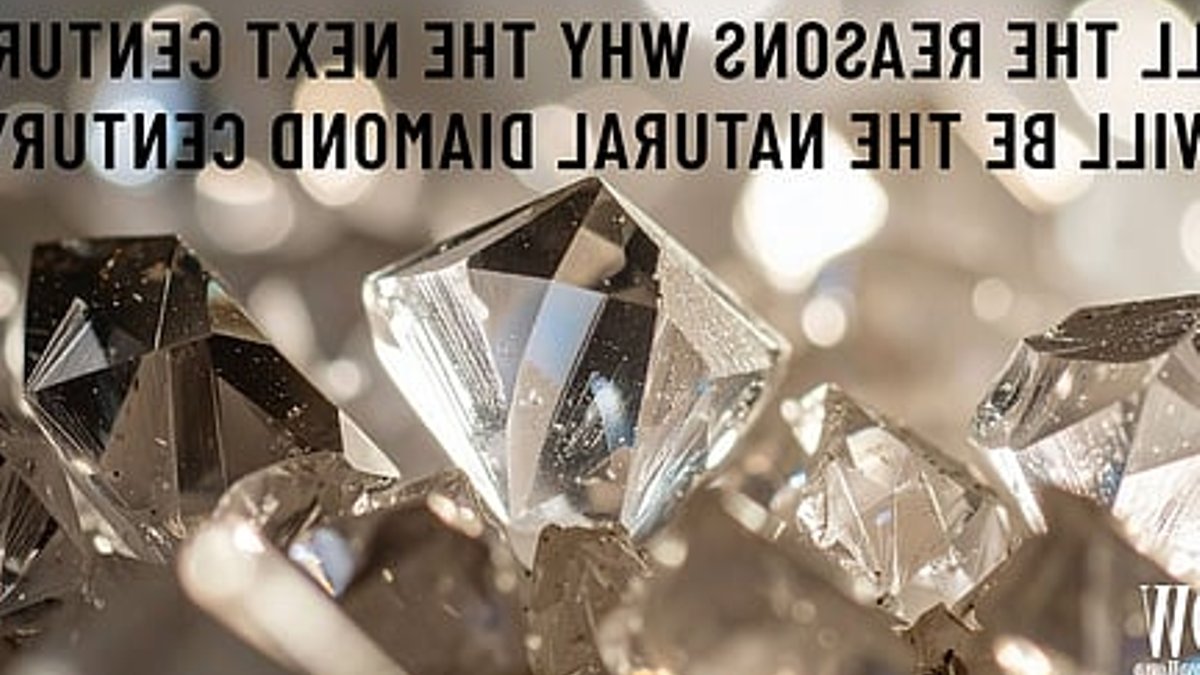
The rise of the natural diamond as a marker of lasting value is gaining attention as consumers look beyond digital abundance toward tangible heritage.
Natural diamonds poised to define luxury in the coming century
Analysts note a shift from mass‑produced status symbols to items that carry a personal narrative. The gemstone’s finite supply and centuries‑old appeal contrast sharply with the endless replication of synthetic goods.
Industry bodies such as the Natural Diamond Council and the World Diamond Council have begun emphasizing stories of provenance rather than merely price tags. Their statements suggest a strategic pivot toward “meaningful ownership.”
While technology fuels new forms of expression, many buyers report a desire for objects that cannot be duplicated by code. In that sense, the stone serves as a physical anchor in an increasingly virtual world.
Industry faces a crossroads as values shift
Stakeholders across the supply chain are confronting the need to align ethical sourcing with the emerging emphasis on legacy. The World Federation of Diamond Bourses recently highlighted the importance of traceability, but also warned that compliance alone may not satisfy the new consumer mindset.
Critics argue that without a clear narrative, even responsibly mined gems risk becoming background décor. The market could marginalize those that cling to old notions of status without addressing deeper emotional connections.
In response, the International Diamond Manufacturers Association has launched pilot programs that pair jewelry with documented family histories. The aim is to turn a purchase into an intergenerational story.
Related: Historic 100 diamonds shape industry’s future
De Beers, a long‑standing player, is experimenting with limited‑edition releases that include personalized certificates. The move reflects a broader industry trend toward curating experiences rather than simply selling products.
Consumers seek legacy over novelty
Surveys show younger buyers prioritize items that can be handed down, rather than those that merely showcase wealth. A growing segment views the stone as a conduit for family rituals, turning an heirloom into a living dialogue.
For families that already own a piece, the shift means the stone becomes a conversation starter at gatherings, reinforcing bonds across generations. This practical angle illustrates how the market’s abstract talk of “meaning” translates into everyday moments.
Retailers are adapting by offering redesign services that allow older pieces to be reimagined for contemporary tastes while preserving original elements. Such flexibility supports the notion that the gem’s value lies in continuity, not static display.
Experts caution that the transition will require transparent communication about mining practices, as consumers increasingly link ethical concerns with emotional resonance.
Overall, the sector’s ability to weave authenticity, traceability, and personal narrative may determine whether the gemstone retains a central role in luxury or fades to a niche curiosity.


