


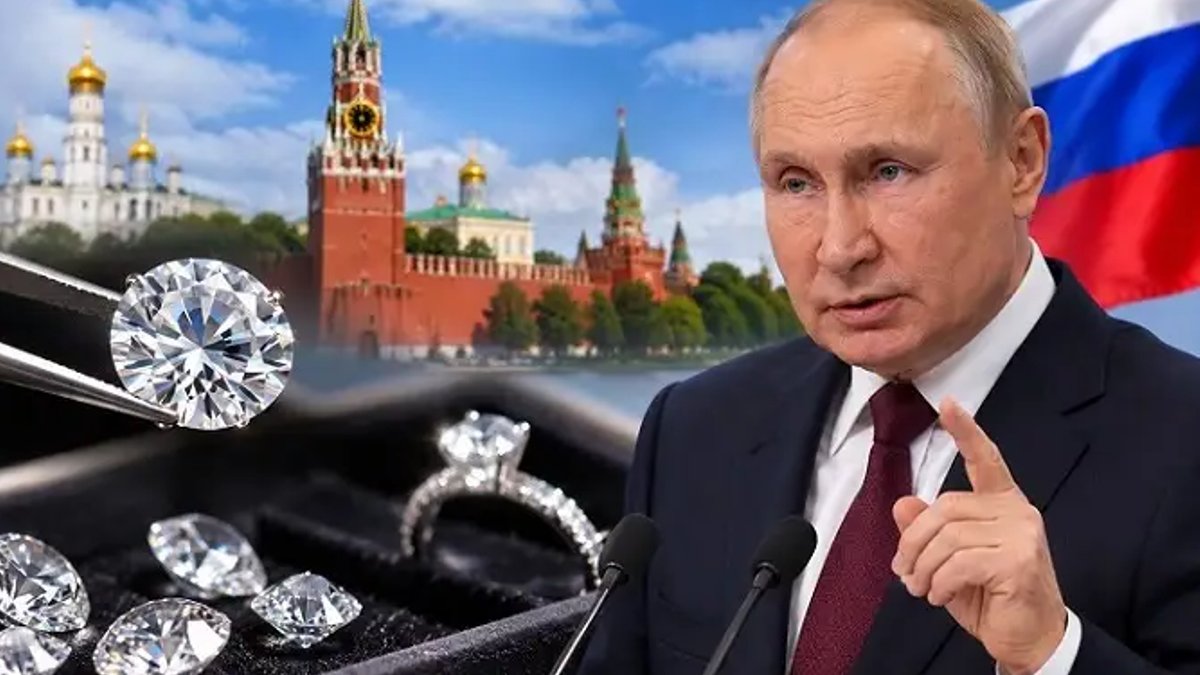
Vladimir Putin has backed strict new rules targeting lab-created diamonds, deepening a global argument over how artificial gemstones should be promoted and classified. The move signals Russia’s push to safeguard mined diamonds as synthetic alternatives become more widespread in the market.
During the Russia-Africa summit in Moscow on October 28, Putin aligned with Finance Minister Anton Siluanov, insisting that mined diamonds remain essential to the industry. His comments follow rising calls worldwide to clearly separate natural diamonds from lab-produced ones through stricter naming and sales policies.
Putin recognized that producers of lab-grown diamonds claim their products look and perform like natural ones, warranting equal recognition. Still, he insisted their unnatural origins demand distinct marketing language.
According to Russian state media, Putin explained, ‘I agree with our minister’s position: what nature produces is what truly defines this industry.’ Siluanov added that growing gaps in demand and pricing will likely relegate lab-grown diamonds to the fashion jewelry segment over time.
Starting September 1 under Government Resolution No. 657, Russian sellers must label lab-grown diamonds as ‘faceted synthetic diamonds.’ The law bans terms linked to natural diamonds, such as ‘genuine,’ ‘precious,’ ‘mined,’ or ‘eco-friendly.’
Stores cannot use standard diamond grading for color or clarity, nor the Russian word for ‘brilliant.’ Lab diamonds must also be measured in grams instead of carats, with these rules applying to labels, ads, websites, and certification papers.
Russian officials claim the rules protect buyers by making gem origins clear. The changes come as lab-grown diamonds’ market share in Russia surged—jewelry chains reported a 2.9-fold year-over-year increase, hitting 25% of sales in early 2026.
The controversy extends well beyond Moscow, with the World Jewellery Confederation adopting “synthetic” as its sole official descriptor for laboratory-grown diamonds and other manufactured gemstones within its Blue Books. Laboratory-grown diamond advocates have challenged this terminology, arguing that it risks misleading consumers into believing such stones are imitations rather than genuine diamonds produced through technological processes.
Some industry groups have hinted at legal challenges over deceptive labeling. The dispute’s resolution could shape global standards, especially in the U.S., where the Federal Trade Commission may update its Jewelry Guides in 2027 or 2028.
Russia’s crackdown highlights how diamond terminology has become a clash of economic and ideological interests. While natural diamond backers stress rarity and heritage, lab-grown producers defend their products’ technological legitimacy and mass appeal. As rules evolve, the industry’s future could be redrawn worldwide.


