


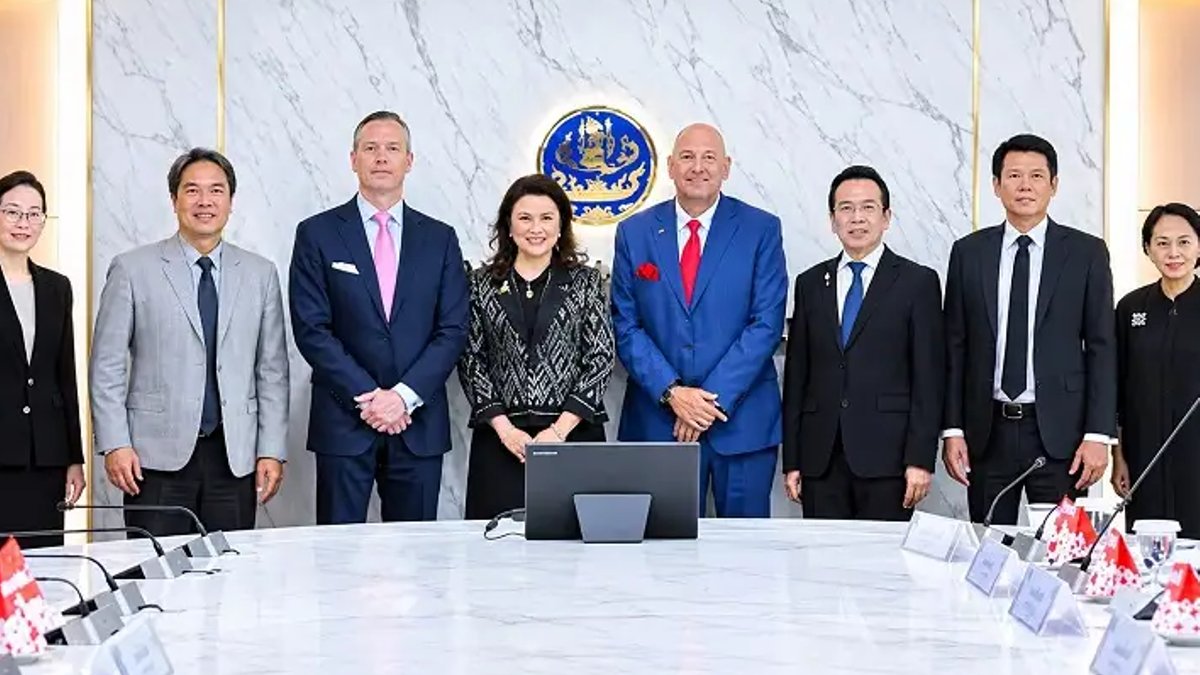
Negotiators from the United States and Thailand have reached a potential milestone that may remove import duties on loose colored gemstones, natural pearls, and diamonds. This change would provide much-needed financial relief for US gem dealers and jewelry producers who rely heavily on foreign suppliers.
On November 17 in Manila, US President Donald Trump and Thai Prime Minister Anutin Charnvirakul formally acknowledged major progress toward a Reciprocal Trade Agreement. Their joint announcement followed extended discussions between both governments.
The proposed trade deal stems from months of negotiations, with strong advocacy from the American Gem Trade Association. If finalized, it could reinstate previous tariff-free trade terms while further establishing Thailand as a leading center for gemstone processing and distribution worldwide.
While negotiations have advanced significantly, the agreement still requires legal review, technical adjustments, and Thai parliamentary approval before taking effect. The American Gem Trade Association called this development a critical advancement for an industry under increasing pressure from global trade barriers.
The industry group emphasized that most colored gemstones are not domestically available in the US, forcing American jewelry firms to depend on overseas suppliers. Association representatives engaged in detailed discussions with US trade representatives, congressional lawmakers, Thai officials, and gemstone market leaders throughout the process. A September visit to Thailand by AGTA officials helped accelerate the talks, showing the need to preserve affordable access to internationally sourced gemstones. CEO John W. Ford Sr. suggested the agreement might inspire comparable deals with other key gem-producing nations.
Beyond gemstones, the broader trade discussions encompass agricultural goods, vehicles, pharmaceuticals, and other sectors. Thailand has reportedly agreed to significant market access concessions, including commitments to purchase more American farm products. However, the exact tariff structure remains unclear.
While most Thai exports would still face a 19% US tariff, certain categories could qualify for reduced or eliminated duties. This uncertainty particularly affects gemstone traders, who await clarification on exemption details and implementation timelines.
If approved, the agreement could cut import expenses, enhance supply chain reliability, and deepen commercial ties between US buyers and Thailand’s well-established gemstone sector. However, traders must first receive official confirmation of eligible products before realizing any cost savings.


